
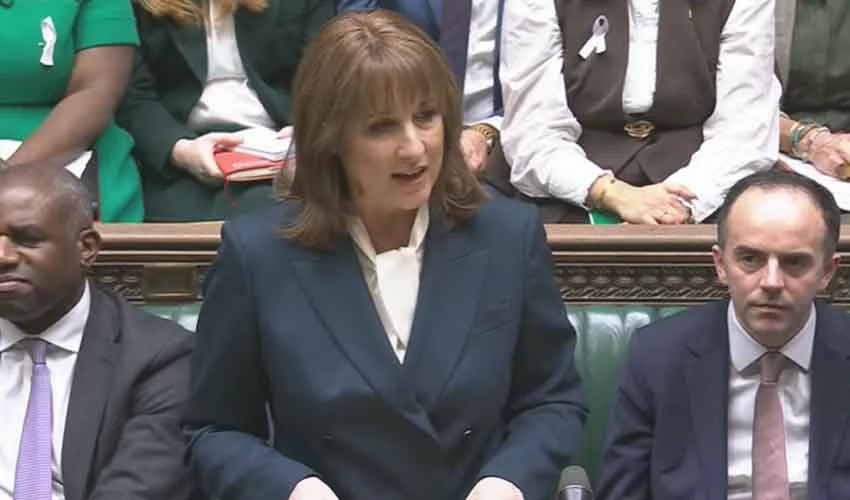
The UK government has unveiled its 2025 Budget, introducing over £26 billion in new taxes to boost public finances and create extra fiscal flexibility. Finance Minister Rachel Reeves emphasized that these measures are essential to close the growing fiscal gap and support increased spending on welfare, infrastructure, and public services.
Notably, the Office for Budget Responsibility released its forecasts before Reeves’s announcement, showing the government’s fiscal headroom—its capacity for extra spending or tax cuts—could reach nearly £22 billion by 2029–30, more than double the £9.9 billion projected in March.
Key Budget highlights include:
- Income tax & National Insurance thresholds frozen until 2030–31, expected to generate £8 billion by 2029–30.
- Higher taxes on dividends, savings income, and luxury properties, including a new “mansion tax.”
- National Insurance charges applied to salary-sacrifice pension contributions, adding roughly £4.7 billion.
- Fuel duty freeze extended until September 2026.
Markets responded positively, with borrowing costs falling and the pound strengthening slightly, signaling investor approval.
However, critics warn that repeated tax increases could strain households and businesses, questioning if the government’s long-term growth projections can offset the impact. The success of this Budget hinges on sustainable economic growth, inflation control, and households’ ability to absorb higher taxes without cutting back on spending or investment.
#UKBudget2025 #TaxHike #FiscalPolicy #UKFinance #MansionTax #NationalInsurance #EconomicGrowth